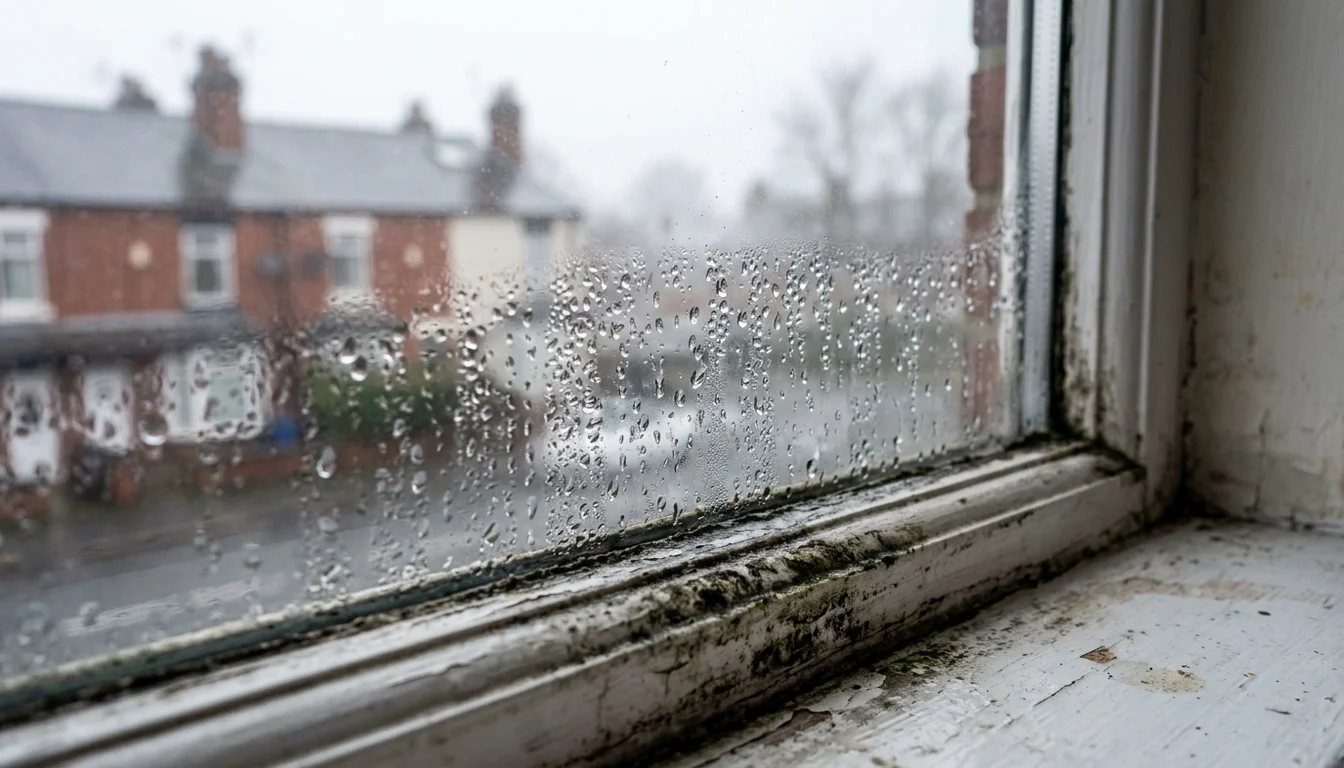
Energy-efficient retrofits are supposed to make homes warmer and cheaper to heat. But a growing number of UK homeowners are discovering an unwelcome side effect: worse damp, condensation and mould than they had before the work started. Here is why it happens, and what you can do about it.
TL;DR
- Energy upgrades can trap moisture by sealing homes off from natural ventilation
- Mould often develops where airflow is poor or vapour barriers are incorrectly placed
- Main causes: blocked air vents, inadequate exhaust fans, wrong insulation placement
- Solutions: improve air circulation, add mechanical ventilation, correct insulation
- Proper ventilation planning is essential before any retrofit work begins
- Regular monitoring for signs of damp should be part of every retrofit project
The Problem With Sealed Houses
Many older UK homes were built with natural ventilation in mind. Windows that open and close, gaps around doors, and air circulation through chimneys and vents helped maintain a balance between indoor and outdoor humidity levels. When homeowners retrofit these properties, they often install double or triple glazing and seal up draughty areas to improve energy efficiency.
While this approach is excellent for reducing heating bills, it can trap moisture within the home. The lack of ventilation means that moisture which typically would escape through gaps in older homes becomes trapped inside, raising humidity levels and creating conditions for mould growth.
Vapour Barriers in the Wrong Places
Another factor contributing to post-retrofit problems is the incorrect installation of vapour barriers. In some projects, builders install vapour barriers on the inside of walls or in the wrong orientation, trapping moisture between the barrier and the wall surface.
Proper vapour barrier placement is crucial - they should be placed on the warm side of an insulated wall to prevent moisture from entering the insulation. Incorrect installation can result in condensation forming inside walls or at internal surfaces, leading directly to damp and mould.
Blocked Ventilation Systems
In some cases, the problem is not with new installations but with existing ventilation systems that become blocked or disconnected during retrofit work. Bathrooms and kitchens often have dedicated exhaust fans designed to remove excess moisture - if these are improperly installed or disconnected, humidity levels rise quickly.
Fresh air intakes for mechanical ventilation systems may also be closed off during insulation installation. This leads to a significant lack of fresh air circulation, worsening condensation and damp within the home.
A Real Example: Birmingham Retrofit
A retrofit project in Birmingham shows how these problems can appear. After installing cavity wall insulation and upgrading the loft insulation, homeowners reported significant mould growth in previously dry areas.
An investigation revealed that the new internal vapour barriers had been incorrectly installed between the insulation and external walls. This created a pocket where moisture from everyday activities - cooking, showering, breathing - accumulated and condensed on internal surfaces during colder months.
Risk Factors to Watch For
Several factors increase the risk of damp problems after a retrofit:
- No mechanical ventilation in the property
- Non-breathable materials like polythene sheets in walls or under floorboards
- Insufficient or blocked air vents in basements or under-floor spaces
- Retrofit work that does not account for existing ventilation systems
- Building fabric already compromised by previous moisture problems
Solutions and Prevention
Addressing post-retrofit damp and mould requires a comprehensive approach:
- Install or upgrade mechanical ventilation to ensure adequate fresh air circulation
- Ensure vapour barriers are correctly installed on the warm side of walls and insulation
- Check that existing exhaust fans function properly and air vents are unblocked
- Implement room-by-room humidity monitoring to identify problem areas early
- Review the entire building envelope for potential moisture ingress points
A ventilation plan should be in place before any retrofitting begins. This should consider how moisture will be managed after sealing up draughty areas and installing insulation.
Planning Prevents Problems
Most retrofit projects that face post-installation problems stem from insufficient planning. Installing new insulation should never be seen in isolation - it needs to be considered alongside the home's ventilation system, existing moisture sources, and overall airflow.
Professional surveyors perform detailed assessments covering the condition of the building fabric, the effectiveness of heating systems, and potential sources of moisture. These comprehensive inspections are crucial for identifying risks before they become costly to fix.
Retrofitting homes to improve energy efficiency is vital for reducing carbon emissions and lowering heating costs. But these improvements must be implemented with proper consideration for ventilation and moisture management. By ensuring thorough planning, correct installation of materials, and proper ventilation systems, you can maintain the energy benefits while keeping your home healthy and comfortable.
Worried about damp after your retrofit?
We provide energy assessments and retrofit guidance across Bedfordshire, Cambridgeshire, and Hertfordshire. If you are experiencing condensation or mould issues after energy upgrades, we can help identify the cause and recommend solutions.
Get in Touch